גְבִיָה: 3D Assembly Puzzles

An assembly puzzle hands you loose pieces and a target shape. No box, no tray, no frame to work against. The finished object holds itself together through geometry alone, which means there is nothing to brace against while you build it.

That absence is the whole difficulty. In a packing puzzle the box tells you where the boundary is. Here you have to hold the boundary in your head, and the second-to-last piece is usually the one that defeats people.

Where to start

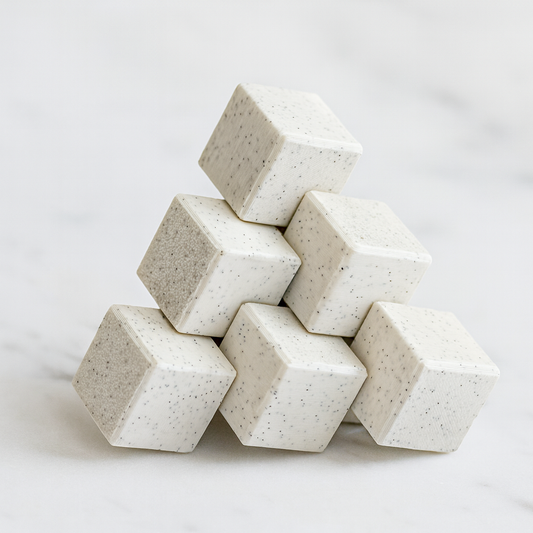
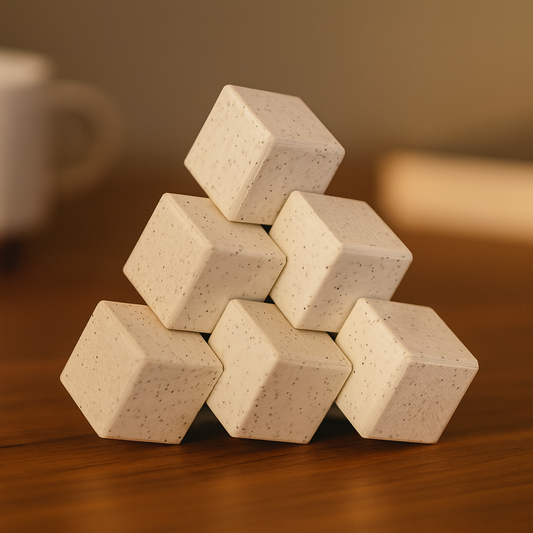
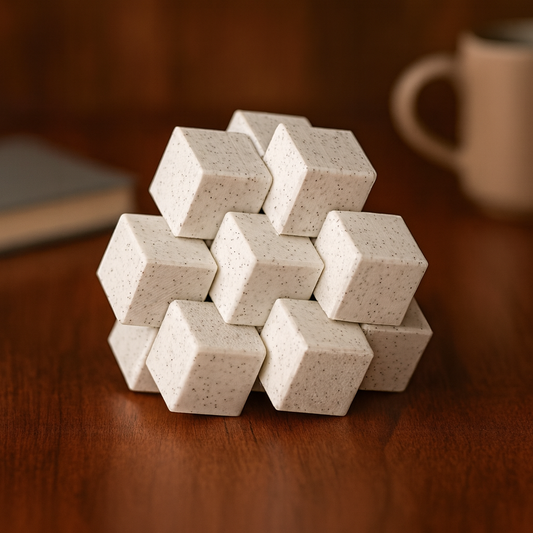
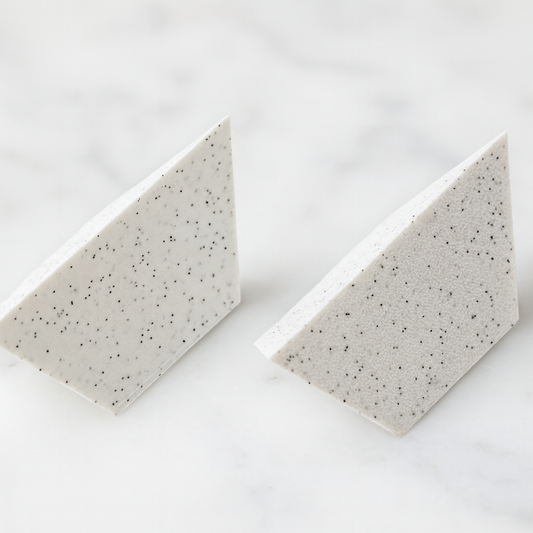
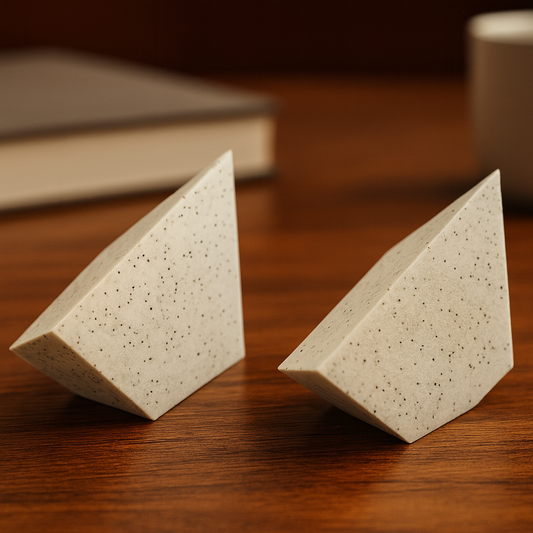
2 Piece Pyramid at $6 is two pieces and still catches most people out. Three-Piece Block by Stewart Coffin is three pieces into a perfect pyramid.

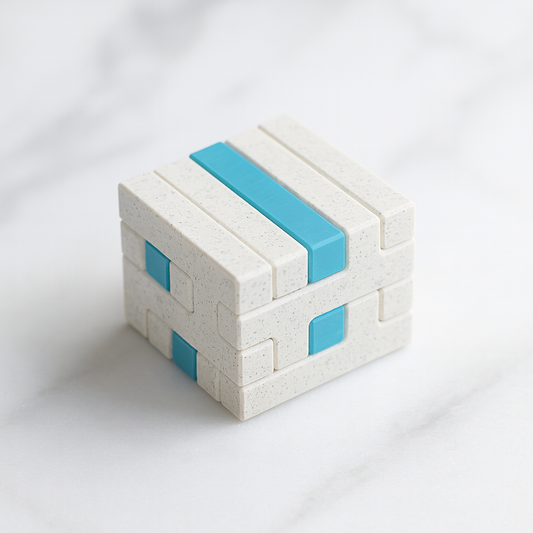
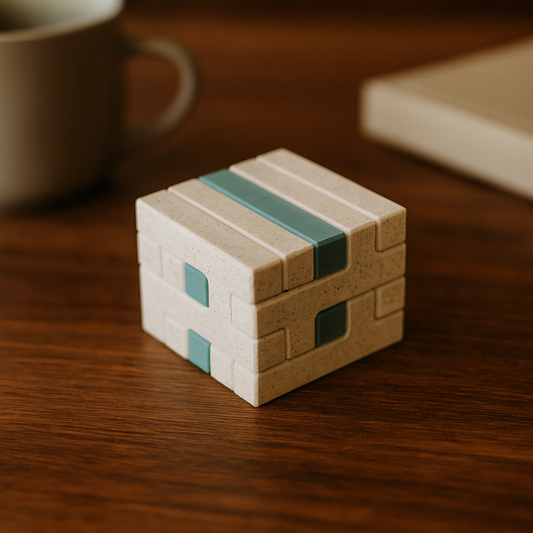
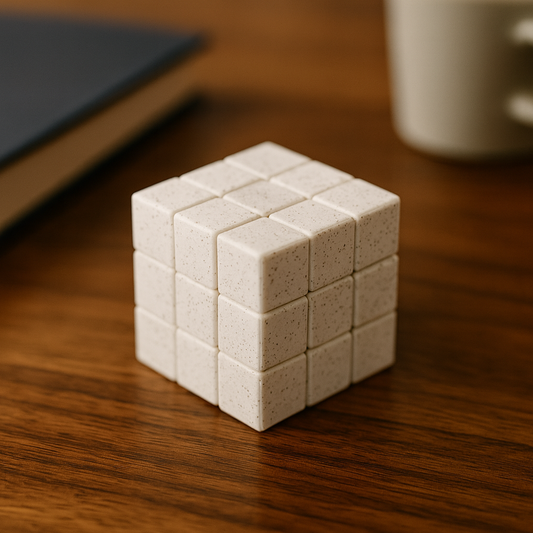
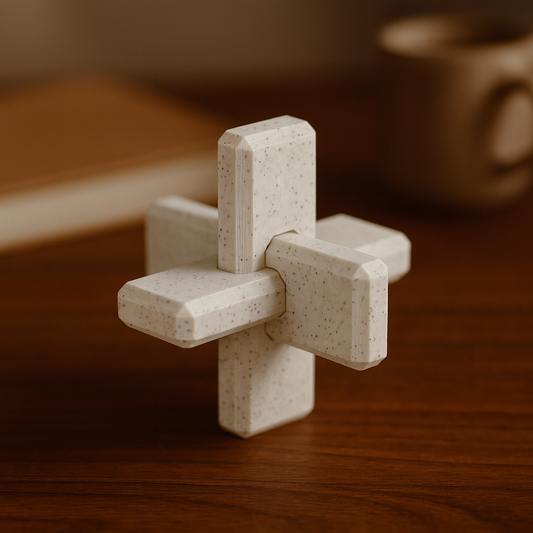
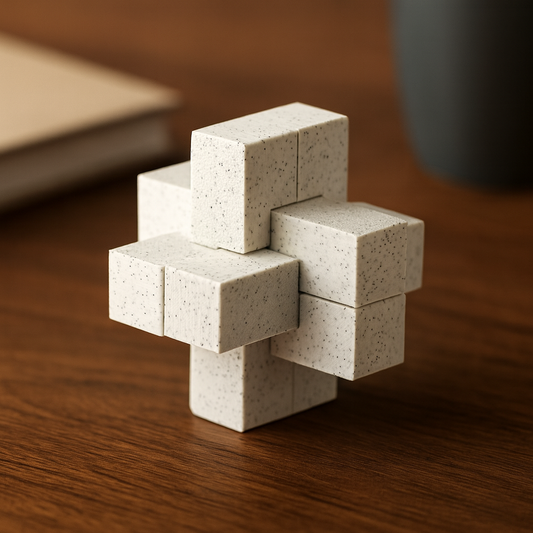
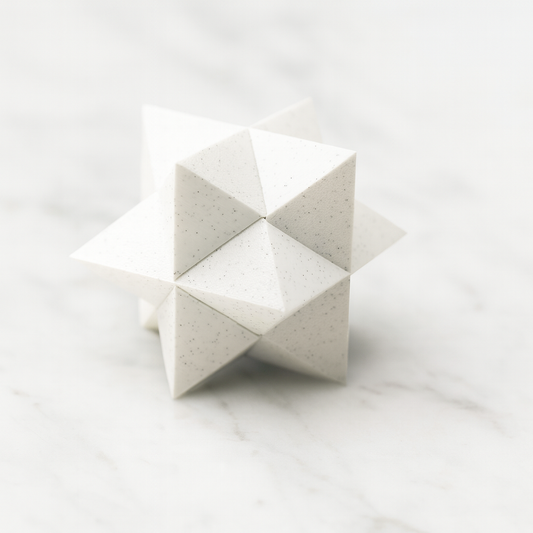
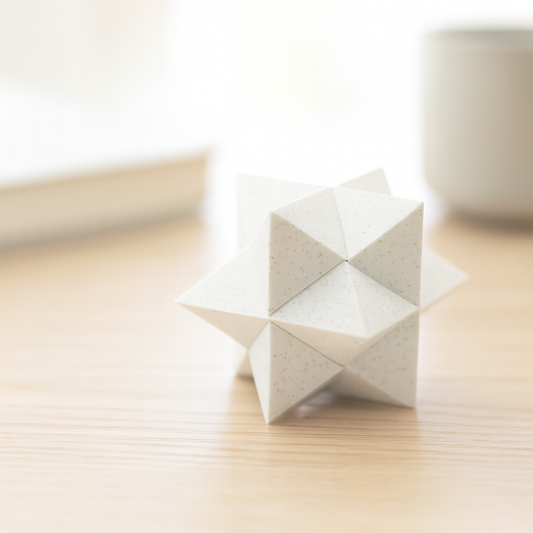
The burr family - 3-Piece Cross, 6-Piece Cross, 6-Piece Star and Multi-Grain Burr - are the classic interlocking assemblies. Grip 4L by Lucie Pauwels and the Key and Keyway Cube add a required sequence. Snake Cube is the one everyone has met.

Best for

First-time mechanical puzzle buyers - this is the most intuitive category to start in. Gift buyers working under $20. Solvers who prefer building something to filling something.

Frequently Asked Questions

What is a 3D assembly puzzle?

A puzzle where separate pieces combine into a specific three-dimensional shape - a cube, cross, pyramid or block - with no box or frame involved. The pieces hold together through their own geometry.

How is it different from a packing puzzle?

A packing puzzle has a container that defines the goal and constrains your moves. An assembly puzzle has no container, so you build the shape in open air.

Are burr puzzles assembly puzzles?

Yes. A burr is an interlocking assembly puzzle - the notched sticks hold each other in place with no external frame. See the full burr puzzles collection.

What should I buy for someone who has never solved one?

2 Piece Pyramid or the 3-Piece Cross. Both are cheap, both come apart easily, and both are harder to rebuild than they look.