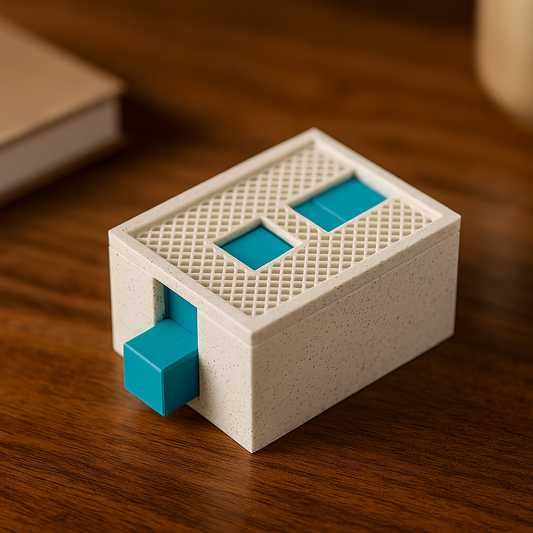
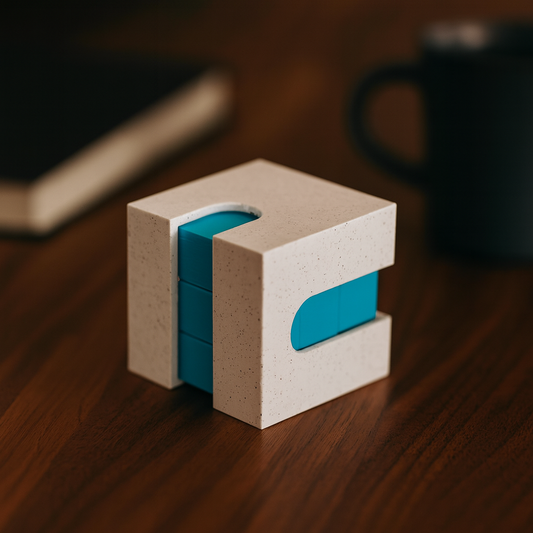
Collection: Extremely Difficult Puzzles
An extremely difficult puzzle is one where the average solver will spend multiple sessions - sometimes weeks - before finding the solution. These are not puzzles you crack on a lunch break. They are not puzzles that reward guessing. They reward patience, careful observation, and the willingness to be wrong over and over again before something finally clicks.
Not for beginners. Not for quitters. Beware.
These are not "fun little puzzles." This collection is for people who finish what others abandon. Every puzzle here is intentionally brutal - minimal clues, no trivial paths, no shortcuts. Some will take hours. Some will take days. A few might sit on your desk unfinished... mocking you.
Most people will not solve these without help. That is not a marketing line. It is a genuine warning. If you hand one of these to a first-time puzzler, expect frustration. Expect a long silence. Expect the puzzle to go back in the box unsolved.
These exist for the solver who has been there before - who knows what deep difficulty feels like - and who wants more of it.
Best for: Experienced puzzlers, engineers, architects, designers, and anyone who wants a real challenge - not just something to fill an afternoon.
If you are looking for an easy win - leave now. But if you are brave enough to try - good luck.
Frequently Asked Questions
How hard is extremely difficult?
Hard enough that most people will not solve it alone. We are talking multiple sessions across multiple days - sometimes weeks of on-and-off attempts before the solution reveals itself. These puzzles have very few clues built in. There are no shortcuts, no obvious starting points, and no moment where it suddenly feels easy. Every step forward usually brings a new obstacle. That is the point.
Should I start with extremely difficult puzzles?
Probably not - unless you already have serious experience with mechanical or logic puzzles and you know what you are getting into. If you are new to puzzles, or you have only solved beginner or intermediate levels, start there first. Build the instincts. Learn how to think about these kinds of problems. Then come back here when you are ready for something that will genuinely test you. The extremely difficult category exists for people who have already been humbled by a hard puzzle and want to go further - not for people looking for their first challenge.